Journal · Seasonal Growing
Growing into autumn:
the secret season for Asian vegetables
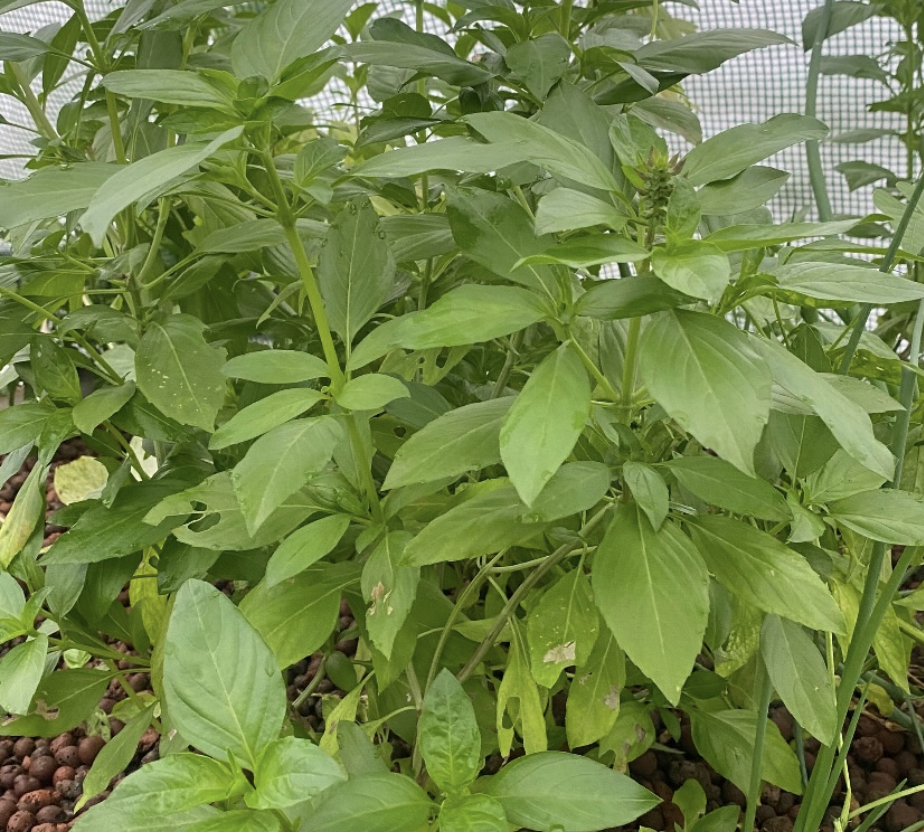 There's a quiet myth in home growing that the season winds down when summer ends. The tomatoes finish, the basil bolts, and a lot of people let their systems coast into winter. But if you're growing aquaponically, and especially if you're growing Asian vegetables, autumn isn't the end of anything. It might be the best growing season you have all year.
Here's why fall and aquaponics are such a natural match, and why the vegetables my family has grown for generations are exactly the crops that thrive when the air turns cool.
Aquaponics doesn't slow down the way soil does
When the weather cools, soil gardens lose momentum. The ground gets cold, drainage gets tricky with fall rain, and root growth slows. But an aquaponic system holds its own microclimate in the water. Your fish tank acts like a thermal battery. Water changes temperature slowly, so it buffers your plants against the swings that stress a soil garden in October and November.
That stability is a real advantage in autumn. While a soil bed is reacting to every cold night, your aquaponic roots are sitting in water that stayed relatively steady. In a mild climate like Southern California, that often means your system barely notices the season changed at all. It just keeps producing.
Cool weather is what these vegetables actually want
This is the part that makes autumn special: many of the best Asian vegetables are cool-season crops. They don't tolerate fall. They prefer it. Summer heat makes a lot of these plants bitter or sends them straight to flower (bolting). Cooler days bring out their best flavor and slow them down just enough to grow lush and tender.
A few that shine in an autumn aquaponic system:
Seed links go to True Leaf Market. As an affiliate, Akari Farms may earn a small commission if you buy through them, at no extra cost to you. I only link seeds I'd actually grow.
The autumn advantage: fewer pests, better flavor
Two more things line up in your favor this time of year.
First, pest pressure drops. A lot of the insects that plague summer growing fade as the weather cools, which means less intervention and cleaner harvests, a real benefit when you're growing food specifically because you want to know what's on it.
Second, cool-season crops taste better cool. Many of these greens convert starches to sugars as a response to cooler temperatures, which is why fall-grown bok choy and napa cabbage often taste sweeter and more complex than the same plant grown in summer. Your aquaponic system delivers that cool-weather flavor with none of the soil-garden struggle.
Keeping your fish happy as the water cools
Autumn does ask one thing of you: pay attention to your fish. As water temperature drops, fish metabolism slows, they eat less, and they produce less waste, which means less natural fertilizer for your plants. This is normal. A few adjustments keep the loop balanced:
Feed a little less as the fish slow down, and don't worry when they're less enthusiastic at feeding time. If you're growing a heavy crop of leafy greens and notice growth slowing, that's the waste supply tightening, not a failure. And if you're in a colder climate, this is when a small water heater or moving a system into a greenhouse pays for itself, keeping the water in a range where both fish and bacteria stay active.
The cool-season crops above are forgiving of this slightly lower nutrient flow, which is another reason they pair so well with autumn systems. They're not the heavy feeders that summer fruiting crops are.
A season that connects to something older
For me, there's something fitting about all of this. The vegetables that thrive in an autumn aquaponic system, bok choy, napa, shungiku, mizuna, are the same ones my family has cooked and grown for generations. Growing them isn't just efficient. It's a small act of continuity, a way of keeping a connection to where you came from alive in the water and the leaves.
Autumn is when that feels most true. The summer showpieces are done, and what's left are the humble, hardy, deeply nourishing greens that have fed families through cool seasons for a very long time. Aquaponics just makes them easier to grow, closer to home, and completely in your control.
So don't let your system coast into winter. Plant into the cool. It might be the most rewarding season you grow all year.
Want to design a system for your own cool-season crops? The Aquaponics Studio Builder is free. Plan your fall setup before you build it.